Roasted Asparagus with Parmesan
Highlighted under: Clean Healthy Meals Ideas
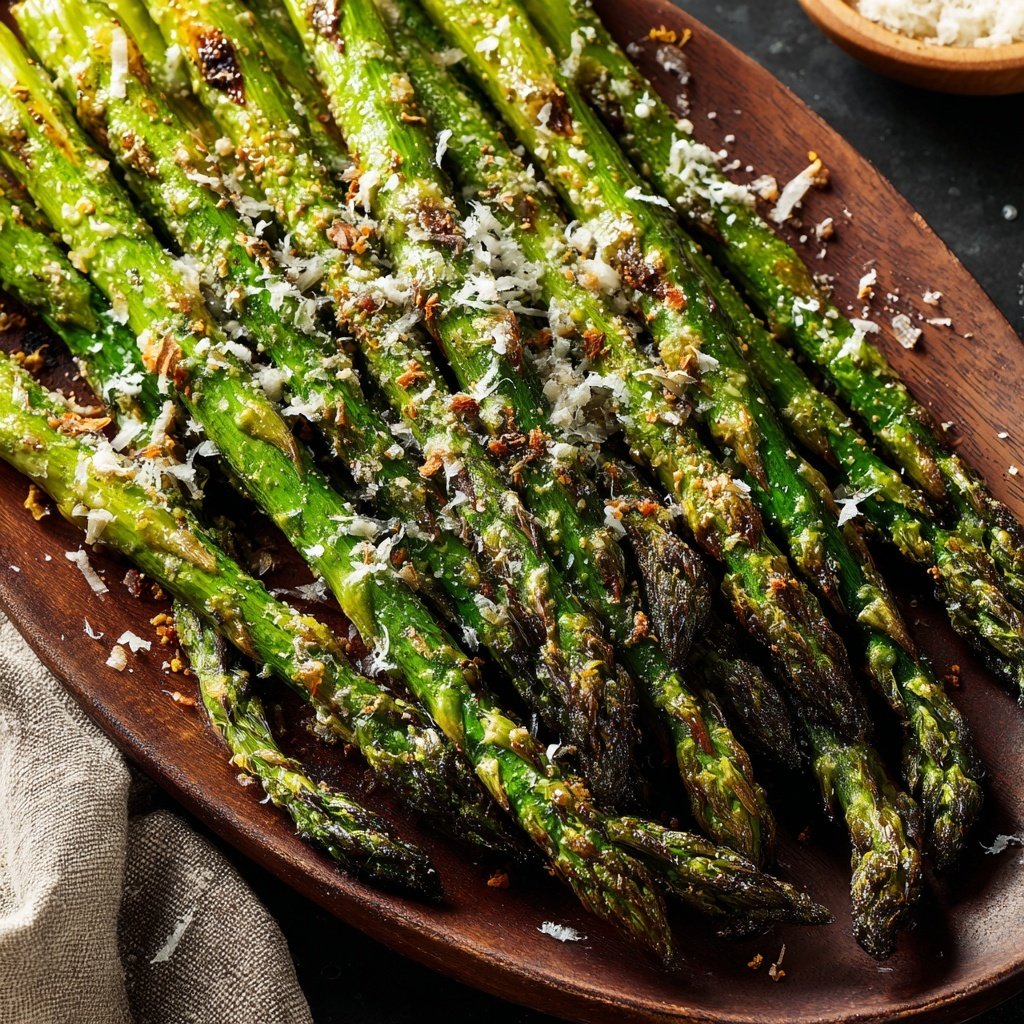
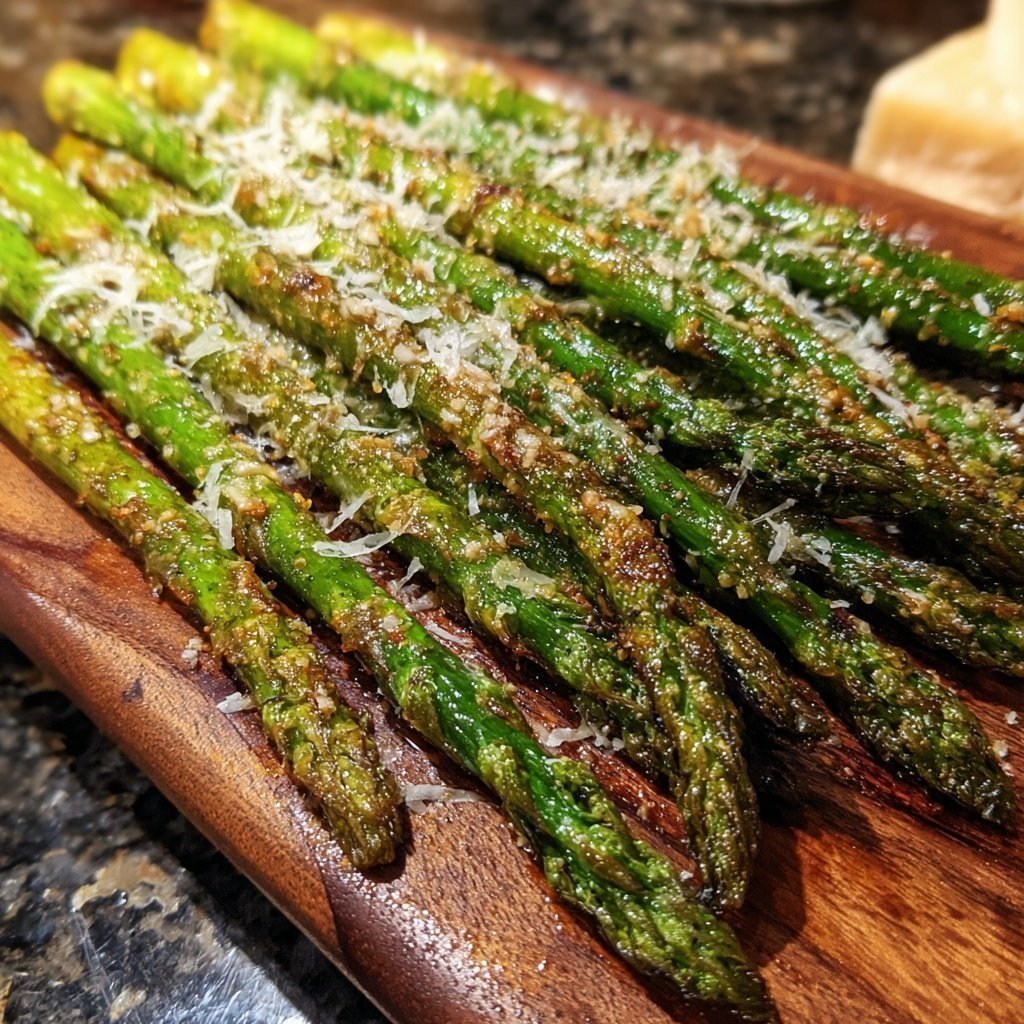
I absolutely love this Roasted Asparagus with Parmesan recipe! The flavor combination is simply divine, and the cooking method enhances the natural sweetness of the asparagus. By roasting the asparagus at high heat, I get that perfect crispiness while still retaining a tender bite. The addition of grated Parmesan elevates the dish, creating a delicious contrast that adds richness. This dish pairs wonderfully with any main course or can be enjoyed on its own as a healthy snack.
When I first made roasted asparagus with Parmesan, I was pleasantly surprised at how simple ingredients could create such a stunning dish. I discovered that roasting at 425°F brings out the asparagus's natural sugars and creates a delightful texture that’s both crunchy and tender. The nutty flavor of the Parmesan adds depth, making each bite mouthwatering.
In my attempts, I found that drizzling olive oil generously is crucial. It helps the asparagus brown beautifully while preventing them from drying out. Also, a sprinkle of lemon juice just before serving elevates the flavors and adds brightness. It's now a go-to recipe in my kitchen!
Why You'll Love This Recipe
- The vibrant green color makes it visually appealing.
- It's a quick and easy side dish perfect for any meal.
- The savory depth from the Parmesan enhances the fresh asparagus flavor.
Mastering the Art of Roasting Asparagus
Roasting asparagus at high heat not only enhances its natural sweetness but also creates a wonderful texture contrast. The ideal temperature of 425°F (220°C) allows the asparagus to caramelize slightly, providing a beautiful golden-brown exterior. Keep an eye on the asparagus as it roasts; the edges should be crispy while the stalks remain tender to the bite, usually in about 15 minutes. If you prefer a more tender texture, feel free to roast them for another 2-3 minutes, but be cautious not to overdo it, as they can become mushy.
A key to successfully roasting asparagus is ensuring even cooking. When you place the asparagus on the baking sheet, make sure they are laid out in a single layer. Overcrowding will lead to steaming rather than roasting. If your baking sheet is too small, consider using two sheets. Additionally, give the asparagus a gentle toss halfway through cooking to achieve an even roast and to prevent any parts from burning.
The Role of Parmesan in Flavor Development
Parmesan cheese not only adds a savory depth to roasted asparagus but also contributes to a beautiful golden finish. When you sprinkle the Parmesan over the asparagus after it's been roasting, the residual heat helps melt the cheese, creating a luscious, slightly crispy layer. I recommend using freshly grated Parmesan for the best flavor and texture; the pre-grated versions often contain anti-caking agents that can prevent it from melting smoothly. If you're out of Parmesan, consider alternatives like Pecorino Romano or nutritional yeast for a vegan option.
By adding a touch of lemon juice before serving, you can brighten the dish even further. This acidic note contrasts beautifully with the richness of the Parmesan and adds a refreshing quality to the asparagus. If you want to experiment, try adding different herbs like thyme or rosemary before roasting, or a sprinkle of red pepper flakes for a hint of heat. These variations can elevate the dish and cater to your palate.
Ingredients
For Roasted Asparagus
- 1 pound fresh asparagus, trimmed
- 2 tablespoons olive oil
- 1/2 cup grated Parmesan cheese
- Salt and pepper to taste
- 1 tablespoon lemon juice (optional)
Make sure to choose the freshest asparagus for the best flavor!
Instructions
Preheat the Oven
Preheat your oven to 425°F (220°C).
Prepare the Asparagus
Place the trimmed asparagus on a baking sheet. Drizzle with olive oil, and sprinkle with salt and pepper. Toss to coat evenly.
Roast the Asparagus
Roast in the preheated oven for about 15 minutes, or until the asparagus is tender and slightly crispy.
Add Parmesan
Remove the asparagus from the oven and sprinkle the grated Parmesan over the top. Return to the oven for an additional 2-3 minutes or until the cheese is melted and golden.
Serve
Drizzle with lemon juice if desired and serve warm.
Enjoy your delicious roasted asparagus as a side dish or a healthy snack!
Pro Tips
- Experiment with different cheeses for a unique flavor profile!
Storing and Reheating Tips
If you have leftovers, store the roasted asparagus in an airtight container in the refrigerator for up to 3 days. When reheating, do so in a preheated oven at 350°F (175°C) for about 5-10 minutes to retain that crispy texture. Microwaving is an option, but it may lead to a soggier outcome due to steam, so it's best reserved as a last resort. Adding a sprinkle of fresh Parmesan right before serving can freshen up the flavor as well.
To save time during meal prep, consider roasting a larger batch of asparagus. Simply double the recipe and store the extra servings for later in the week. These can be added to salads, grain bowls, or even used as an omelet filling. Having a versatile ingredient on hand can streamline your cooking process and enhance your meals effortlessly.
Variations to Explore
Feel free to get creative with flavor combinations! For a Mediterranean twist, try adding some chopped sun-dried tomatoes and Kalamata olives on top of the asparagus before roasting. This not only enhances the dish but also adds vibrant colors and additional textures. For a touch of sweetness, consider drizzling some balsamic glaze over the asparagus just before serving; this can create a delightful balance between savory and sweet.
Another interesting variation involves spicing it up with cayenne or smoked paprika mixed with the olive oil before drizzling. This adds a subtle kick and depth to the dish. You can also experiment with different cheeses or a mix of cheeses, combining Parmesan with feta or goat cheese for a different flavor profile. Don’t hesitate to play around with these variations until you find your perfect balance.
Questions About Recipes
→ Can I use frozen asparagus for this recipe?
While fresh asparagus is recommended for the best texture, you can use frozen asparagus. Just adjust the roasting time accordingly.
→ What can I serve this with?
This dish pairs well with grilled chicken, steak, or fish. It's also great on its own as a light snack!
→ Can I add other seasonings?
Absolutely! Feel free to experiment with garlic powder, balsamic vinegar, or even red pepper flakes for a kick.
→ How do I store leftovers?
Store any leftovers in an airtight container in the fridge for up to 3 days. Reheat in the oven for best results.
Roasted Asparagus with Parmesan
Created by: Olivia Martin
Recipe Type: Clean Healthy Meals Ideas
Skill Level: Easy
Final Quantity: Serves 4
What You'll Need
For Roasted Asparagus
- 1 pound fresh asparagus, trimmed
- 2 tablespoons olive oil
- 1/2 cup grated Parmesan cheese
- Salt and pepper to taste
- 1 tablespoon lemon juice (optional)
How-To Steps
Preheat your oven to 425°F (220°C).
Place the trimmed asparagus on a baking sheet. Drizzle with olive oil, and sprinkle with salt and pepper. Toss to coat evenly.
Roast in the preheated oven for about 15 minutes, or until the asparagus is tender and slightly crispy.
Remove the asparagus from the oven and sprinkle the grated Parmesan over the top. Return to the oven for an additional 2-3 minutes or until the cheese is melted and golden.
Drizzle with lemon juice if desired and serve warm.
Extra Tips
- Experiment with different cheeses for a unique flavor profile!
Nutritional Breakdown (Per Serving)
- Calories: 120 kcal
- Total Fat: 10g
- Saturated Fat: 4g
- Cholesterol: 15mg
- Sodium: 200mg
- Total Carbohydrates: 6g
- Dietary Fiber: 3g
- Sugars: 2g
- Protein: 8g