Korean Bibimbap
Highlighted under: Global World Food Ideas
Korean Bibimbap is a vibrant and flavorful dish that combines rice with assorted vegetables, meat, and a spicy sauce.
Korean Bibimbap is a delicious and colorful dish that represents harmony and balance. It is not only a feast for the eyes but also for the palate, making it a favorite among many. Perfect for a weeknight dinner or a special occasion!
Why You'll Love This Recipe
- A colorful medley of fresh vegetables
- Customizable with your favorite proteins
- A delightful mix of textures and flavors
- Perfectly balanced with spicy gochujang sauce
Understanding Bibimbap
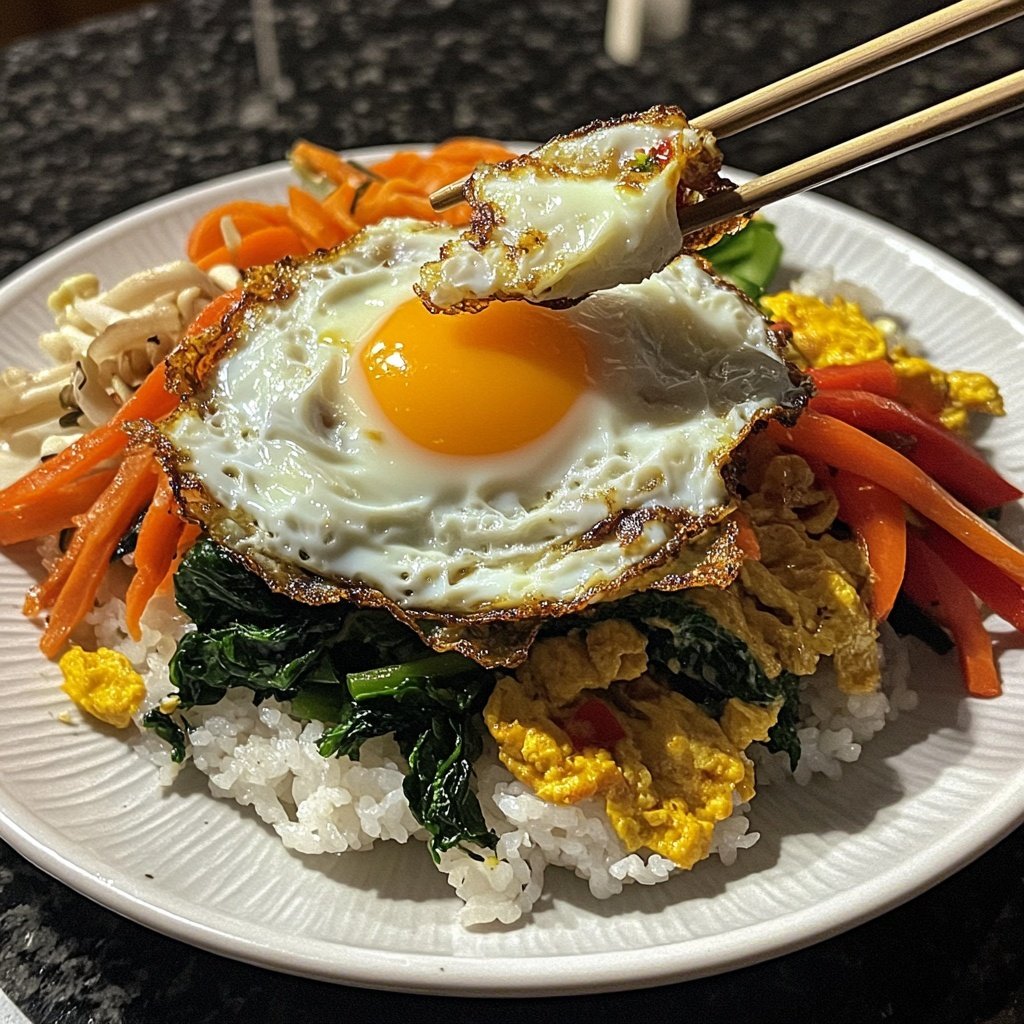
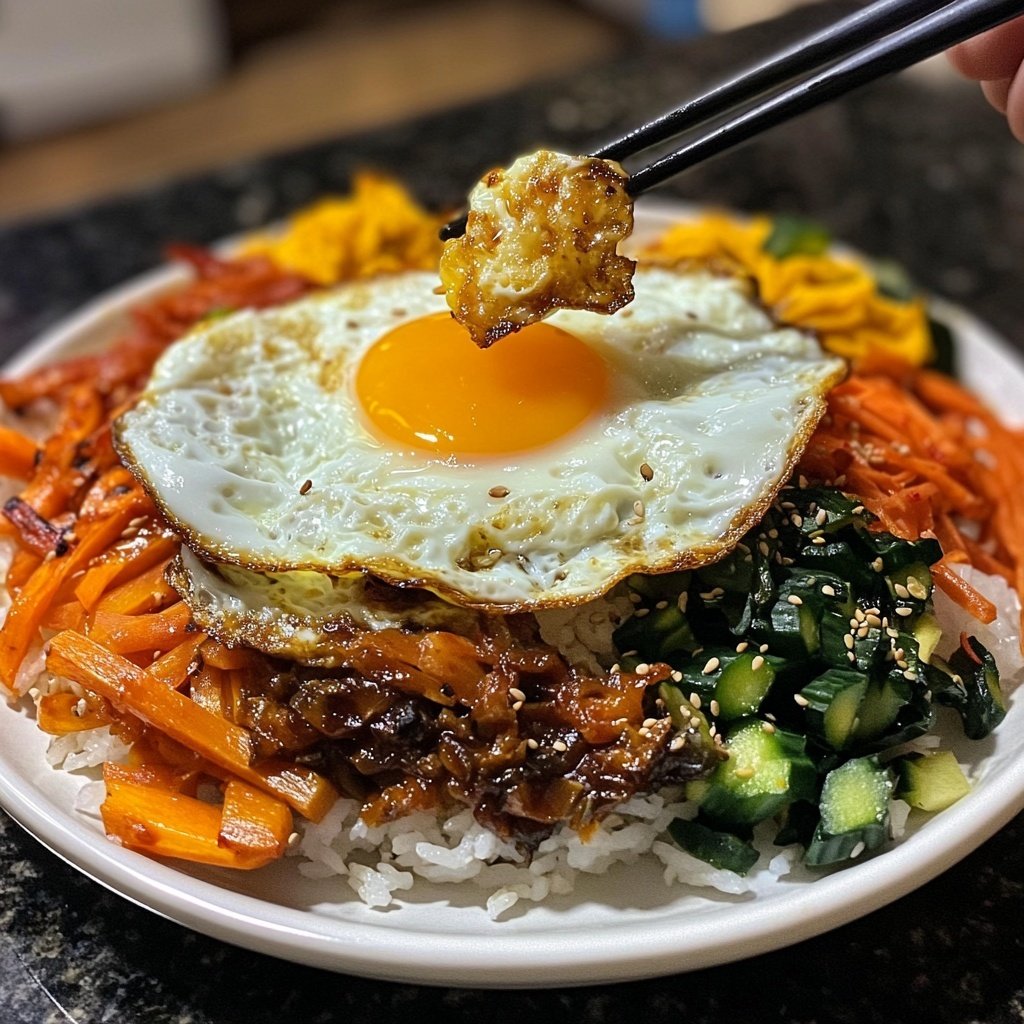
Bibimbap, which translates to 'mixed rice,' is a staple in Korean cuisine known for its vibrant presentation and rich flavors. Originating from Korea, this dish traditionally features a base of warm rice topped with an assortment of seasoned vegetables, meat, and a fried egg, all harmoniously combined with a spicy sauce. The beauty of bibimbap lies not only in its taste but also in its visual appeal, making it a delightful dish to serve at any gathering.
The ingredients in bibimbap can vary widely, allowing for extensive customization. From fresh vegetables to different proteins, each bowl can be tailored to suit individual preferences and dietary needs. Whether you prefer the classic beef topping or a vegetarian option with tofu, bibimbap is versatile enough to satisfy any palate. The key is to ensure that the ingredients are fresh and well-prepared, which enhances both the flavor and texture.
The Importance of Gochujang
Gochujang is a fundamental component of bibimbap, lending it a unique depth of flavor that sets it apart from other rice dishes. This Korean chili paste is made from red chili powder, glutinous rice, fermented soybeans, and salt, resulting in a sweet, spicy, and savory profile. The addition of gochujang not only adds heat but also balances the flavors of the various ingredients, creating a cohesive dish that's satisfying and delicious.
When preparing bibimbap, the gochujang sauce can be adjusted to suit your heat tolerance. If you enjoy a spicier kick, feel free to add more gochujang to the mix. Conversely, for those who prefer a milder flavor, reducing the amount or blending in additional ingredients like honey or sesame oil can help achieve a more subdued taste. Regardless of your preference, this sauce is essential for an authentic bibimbap experience.
Serving and Enjoying Bibimbap
Bibimbap is best served immediately after assembly to ensure that the rice remains warm, and the vegetables are fresh. When you're ready to enjoy your bibimbap, mix all the components together thoroughly to allow the flavors to meld. The combination of warm rice, crisp vegetables, and rich gochujang creates a delightful explosion of taste and texture in every bite.
Pairing bibimbap with traditional Korean side dishes, known as banchan, can enhance your dining experience. Common banchan include kimchi, pickled vegetables, or seasoned seaweed, which add an extra layer of flavor and nutrition to your meal. For a refreshing drink, consider serving it with a cold glass of barley tea or a light Korean rice wine, which complements the spiciness of the bibimbap beautifully.
Ingredients
For the Bibimbap
- 2 cups cooked jasmine rice
- 1 cup spinach, blanched
- 1 cup carrots, julienned
- 1 cup zucchini, julienned
- 1 cup bean sprouts
- 4 eggs
- 200g beef, sliced (or tofu for a vegetarian option)
- 2 tablespoons sesame oil
- Salt and pepper to taste
For the Gochujang Sauce
- 3 tablespoons gochujang (Korean chili paste)
- 1 tablespoon sesame oil
- 1 tablespoon sugar
- 1 tablespoon vinegar
- 1 teaspoon minced garlic
Feel free to add any other vegetables you enjoy, such as mushrooms or radishes!
Instructions
Prepare the Gochujang Sauce
In a small bowl, mix together gochujang, sesame oil, sugar, vinegar, and minced garlic. Set aside.
Cook the Beef
In a skillet, heat a tablespoon of sesame oil over medium heat. Add the sliced beef and cook until browned. Season with salt and pepper. Remove from heat and set aside.
Sauté the Vegetables
In the same skillet, add a little more sesame oil if needed, then sauté the carrots and zucchini until tender. Add the blanched spinach and bean sprouts, cooking for an additional 2-3 minutes.
Fry the Eggs
In a separate pan, fry the eggs sunny side up to your liking.
Assemble the Bibimbap
In a bowl, place a serving of rice, top with the cooked vegetables, beef, and a fried egg. Drizzle with gochujang sauce and serve immediately.
Mix everything together before eating for a delicious blend of flavors!
Pro Tips
- For an extra touch, add a sprinkle of sesame seeds and sliced green onions on top before serving.
Nutritional Benefits of Bibimbap
Bibimbap is not only a feast for the eyes and palate but also a nutritious option for a balanced meal. With a variety of vegetables, it provides essential vitamins and minerals that contribute to overall health. Spinach, carrots, and zucchini are rich in antioxidants and dietary fiber, promoting good digestion and a healthy immune system.
The inclusion of protein, whether from beef or tofu, adds to the meal's nutritional value, providing the body with the necessary building blocks for muscle repair and growth. Additionally, the healthy fats from sesame oil and the presence of gochujang contribute to a satisfying meal that fuels your body without overwhelming it with calories.
Storage and Reheating Tips
If you have leftover bibimbap, storing it is quite simple. Keep the various components separate if possible, especially the gochujang sauce, to maintain freshness. Store the rice and vegetables in airtight containers in the refrigerator for up to three days. When you're ready to enjoy your leftovers, reheat the rice in the microwave or on the stovetop until warm, and briefly sauté the vegetables to revive their texture.
For optimal taste, avoid reheating the fried egg, as it can become rubbery. Instead, consider making a fresh egg to top your reheated bibimbap. This ensures that you enjoy the same delightful experience as when the dish was first made, keeping the flavors and textures vibrant and appealing.
Questions About Recipes
→ Can I make Bibimbap vegetarian?
Absolutely! Simply substitute the beef with tofu or additional vegetables.
→ What can I use instead of gochujang?
You can use Sriracha or a mix of chili powder and soy sauce for a similar flavor, but the taste will vary.
→ How can I store leftovers?
Store any leftovers in an airtight container in the refrigerator for up to 3 days. Reheat before serving.
→ Is Bibimbap healthy?
Yes, Bibimbap is packed with vegetables, protein, and can be made with brown rice for added fiber.
Korean Bibimbap
Created by: Olivia Martin
Recipe Type: Global World Food Ideas
Skill Level: Intermediate
Final Quantity: 4 servings
What You'll Need
For the Bibimbap
- 2 cups cooked jasmine rice
- 1 cup spinach, blanched
- 1 cup carrots, julienned
- 1 cup zucchini, julienned
- 1 cup bean sprouts
- 4 eggs
- 200g beef, sliced (or tofu for a vegetarian option)
- 2 tablespoons sesame oil
- Salt and pepper to taste
For the Gochujang Sauce
- 3 tablespoons gochujang (Korean chili paste)
- 1 tablespoon sesame oil
- 1 tablespoon sugar
- 1 tablespoon vinegar
- 1 teaspoon minced garlic
How-To Steps
In a small bowl, mix together gochujang, sesame oil, sugar, vinegar, and minced garlic. Set aside.
In a skillet, heat a tablespoon of sesame oil over medium heat. Add the sliced beef and cook until browned. Season with salt and pepper. Remove from heat and set aside.
In the same skillet, add a little more sesame oil if needed, then sauté the carrots and zucchini until tender. Add the blanched spinach and bean sprouts, cooking for an additional 2-3 minutes.
In a separate pan, fry the eggs sunny side up to your liking.
In a bowl, place a serving of rice, top with the cooked vegetables, beef, and a fried egg. Drizzle with gochujang sauce and serve immediately.
Extra Tips
- For an extra touch, add a sprinkle of sesame seeds and sliced green onions on top before serving.
Nutritional Breakdown (Per Serving)
- Calories: 500 kcal
- Total Fat: 22g
- Saturated Fat: 5g
- Cholesterol: 210mg
- Sodium: 600mg
- Total Carbohydrates: 60g
- Dietary Fiber: 4g
- Sugars: 5g
- Protein: 20g